

Understanding risk How psychological factors influence gambling behavior
The Psychology of Risk in Gambling
Understanding the psychology behind gambling requires delving into how individuals perceive and respond to risk. For many, gambling is a thrilling experience that evokes excitement and anticipation. However, this thrill can also skew their understanding of risk. Gamblers often underestimate the odds of losing, leading them to make irrational decisions. This phenomenon is linked to cognitive biases, where the excitement of potential winnings can cloud one’s judgment about the reality of the risks involved. By visiting https://mrfortune-casino-nz.org/, players can access resources aimed at enhancing their understanding of these risks.
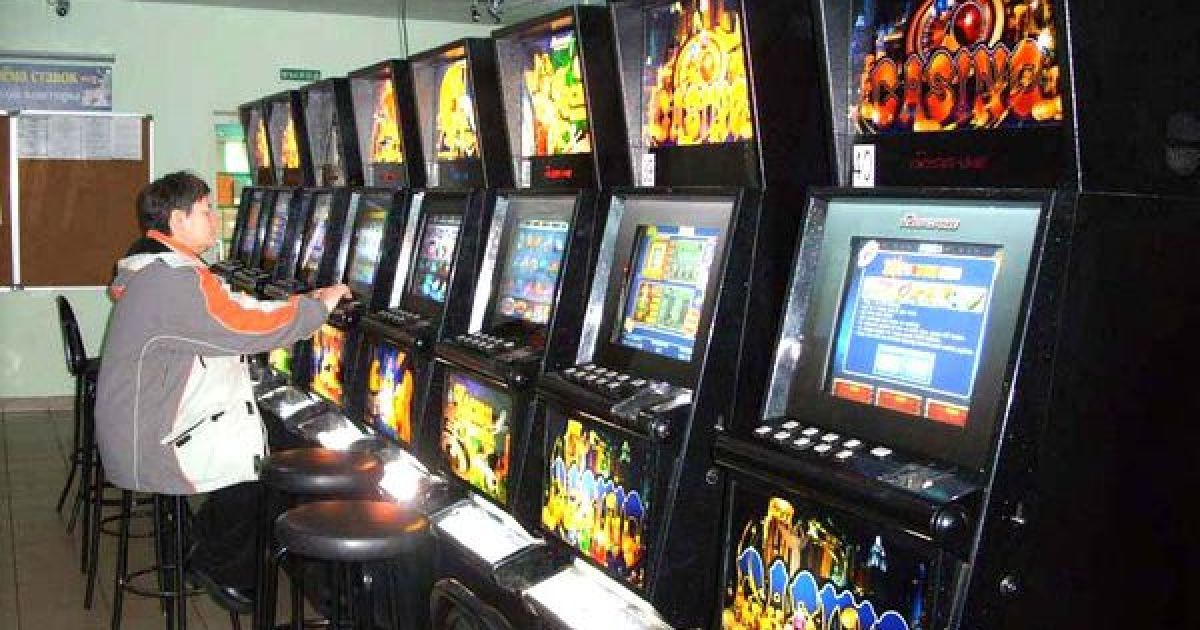
Moreover, the concept of «loss aversion» plays a significant role in gambling behavior. Studies show that the emotional pain of losing is more intense than the joy of winning. This imbalance can lead gamblers to chase losses, continuing to bet in hopes of regaining what they have lost. Consequently, the continuous cycle of chasing losses not only deepens financial troubles but also heightens the psychological risks associated with gambling. Recognizing these patterns is essential for mitigating negative consequences.
The impact of psychological factors extends to personal beliefs about luck and skill. Many gamblers believe they have strategies that can outsmart the odds, leading to overconfidence. This belief can perpetuate risky behavior and encourage gamblers to bet larger amounts than they can afford. Understanding these psychological drivers is essential for recognizing the behaviors that can lead to problematic gambling, ultimately fostering a more responsible approach.
Cognitive Biases in Gambling
Cognitive biases are systematic patterns of deviation from norm or rationality in judgment, and they are prevalent among gamblers. One common bias is the «gambler’s fallacy,» where individuals mistakenly believe that past events affect future outcomes. For instance, a player might think that a particular slot machine is «due» for a payout because it hasn’t paid out recently, leading them to gamble more than they typically would. This misperception can severely impact their betting patterns and financial decisions.
Another key cognitive bias is the «illusion of control.» Gamblers often believe they can influence the outcomes of games that are purely based on chance, such as roulette or slot machines. This false sense of control encourages risk-taking behavior, as players engage more frequently and with higher stakes, convinced that their choices will yield favorable outcomes. Understanding this bias is critical for developing strategies that promote more rational gambling behaviors.
Furthermore, the emotional state of the gambler can influence their decision-making process. Stress, anxiety, or even excitement can lead to impulsive decisions, as emotional arousal tends to cloud rational thinking. This emotional volatility can result in placing bets without a clear strategy or an understanding of the risks involved, further compounding the potential for loss. Recognizing these cognitive biases is essential for addressing harmful gambling behaviors and promoting healthier gaming habits.
The Role of Social Influence in Gambling Behavior
Social influences significantly shape gambling behavior, impacting how individuals engage with various forms of gaming. The presence of peers can create an atmosphere where gambling is normalized, and the excitement is amplified. This peer pressure can lead individuals to gamble more than they initially planned, often resulting in risky behaviors. Friends and family members can inadvertently encourage excessive gambling, showcasing the profound effect of social dynamics on individual choices.
Additionally, the role of social media cannot be overlooked in today’s digital age. Online platforms often celebrate and glamorize gambling victories, creating a perception that winning is more frequent than it is. This portrayal can entice individuals to participate in gambling activities they might not have considered otherwise. The constant exposure to gambling-related content can distort perceptions of risk, leading to increased participation rates and, potentially, problematic behaviors.
Moreover, cultural attitudes towards gambling can significantly influence behavior. In some cultures, gambling is viewed as a social activity or a rite of passage, while in others, it may be stigmatized. Understanding these cultural contexts is crucial for addressing gambling behavior effectively. By analyzing how social influences shape attitudes towards risk and gambling, we can develop targeted interventions that promote responsible gaming practices tailored to specific communities.
Understanding Problematic Gambling and Its Triggers
Problematic gambling is characterized by persistent and recurrent problematic gambling behavior that disrupts personal, family, or vocational pursuits. Recognizing the signs of problematic gambling is vital for addressing the issue early on. Triggers often include environmental cues, such as the presence of gambling venues or the influence of friends and family members who gamble. Awareness of these triggers can assist individuals in managing their gambling habits more effectively.
Emotional triggers also play a significant role in developing gambling problems. Many individuals turn to gambling as a coping mechanism for stress, depression, or anxiety. This escape can create a vicious cycle, where individuals gamble to avoid their problems, only to face greater issues stemming from their losses. Understanding the underlying emotional triggers can be instrumental in fostering healthier coping strategies and encouraging individuals to seek help when needed.
Additionally, the availability and accessibility of gambling platforms can exacerbate issues related to problematic gambling. Online casinos and mobile betting apps make gambling more accessible than ever, often leading to impulsive decisions and increased risk. Recognizing the psychological factors that contribute to problematic gambling behavior is essential for developing effective strategies to mitigate risks and promote responsible gaming practices.

Responsible Gaming Practices at Mr Fortune Casino
At Mr Fortune Casino, responsible gaming is a top priority. The platform aims to create a safe and enjoyable gaming environment by promoting awareness and understanding of the psychological factors that influence gambling behavior. By providing information on responsible gaming practices, Mr Fortune empowers players to make informed choices and recognize their limits when engaging in gaming activities.
To support players, Mr Fortune Casino offers tools and resources that help individuals manage their gambling habits effectively. These resources include self-assessment tools, deposit limits, and cooling-off periods, allowing players to take control of their gaming experience. By integrating these features, the platform aims to foster a healthier relationship with gambling, encouraging players to engage responsibly.
Ultimately, Mr Fortune Casino is committed to creating an environment where players can enjoy gaming without compromising their well-being. By focusing on security and promoting responsible gaming, Mr Fortune Casino strives to ensure that all users have a positive and rewarding experience, free from the negative impacts often associated with gambling. This dedication reflects the broader understanding of risk and the psychological factors that influence gambling behavior, paving the way for a more sustainable gaming culture.